Industry
Part of Does a real stationery maker look any different from a rebadged import?
Protecting your own designs: a beginner project in stationery rights
No interviews. The administrative side of selling what you make: rights in your own designs, the scams aimed at small sellers, and records that survive a dispute.
No makers were interviewed for this page. Instead it covers the part of running a small stationery operation that people rarely write about and that reliably causes trouble: paperwork. Rights in your own artwork, the scams that target small sellers, and the records that decide who is believed when something goes wrong.
What to take away
- Your designs are creative works, and registering them changes what you can do if they are copied.
- Group registration exists precisely for people who publish many small works.
- Small sellers are a standing target for invoice and directory scams.
- Records win disputes. Keep dated files of designs, orders and correspondence.
Rights in your own designs
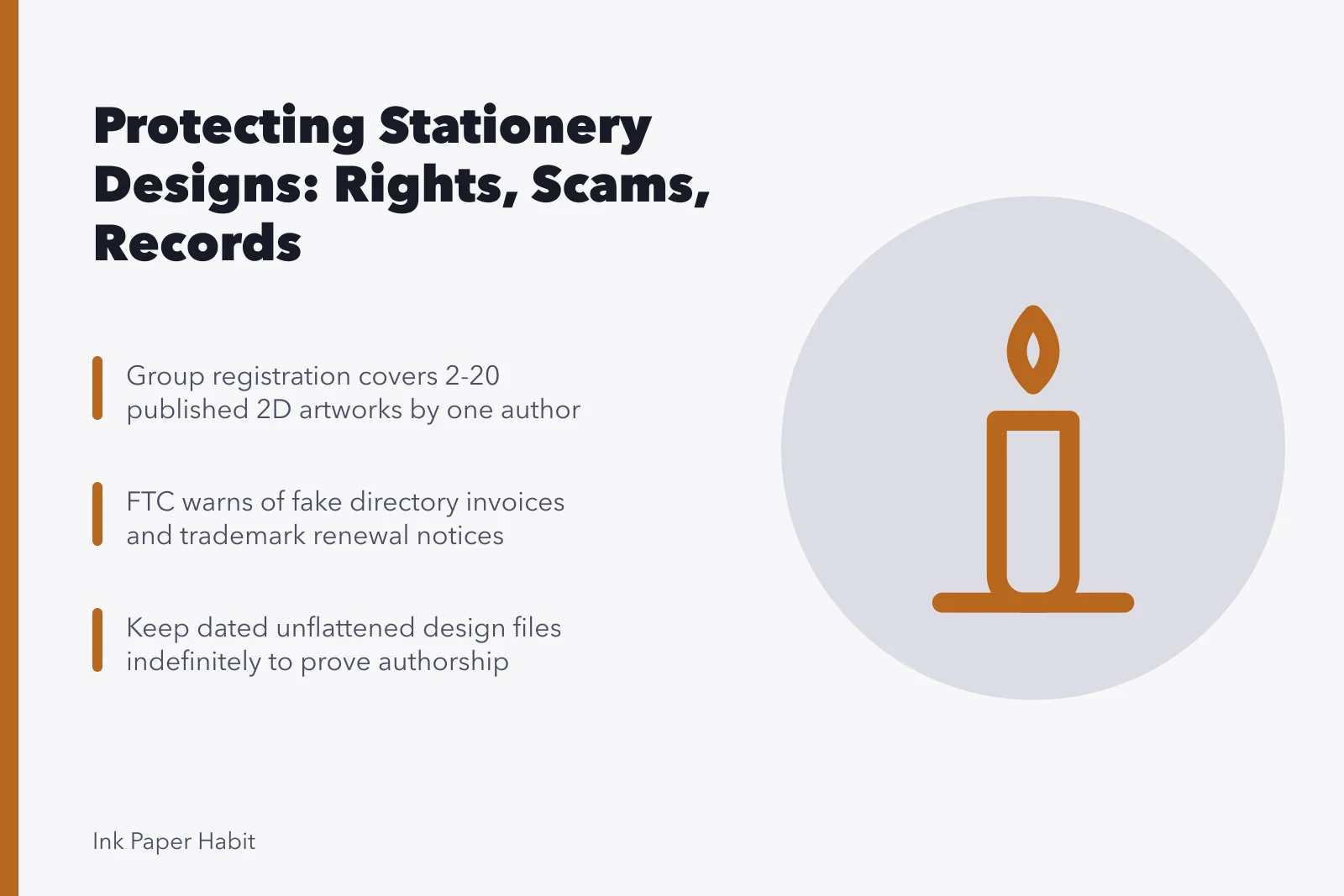
Card designs, patterns, printed illustrations and cover artwork sit squarely in what copyright law treats as visual art. The Copyright Office's guidance on visual arts registration sets out that works of the visual arts include pictorial, graphic and sculptural works, and describes a group registration option for between two and twenty published two-dimensional artworks created by the same author.
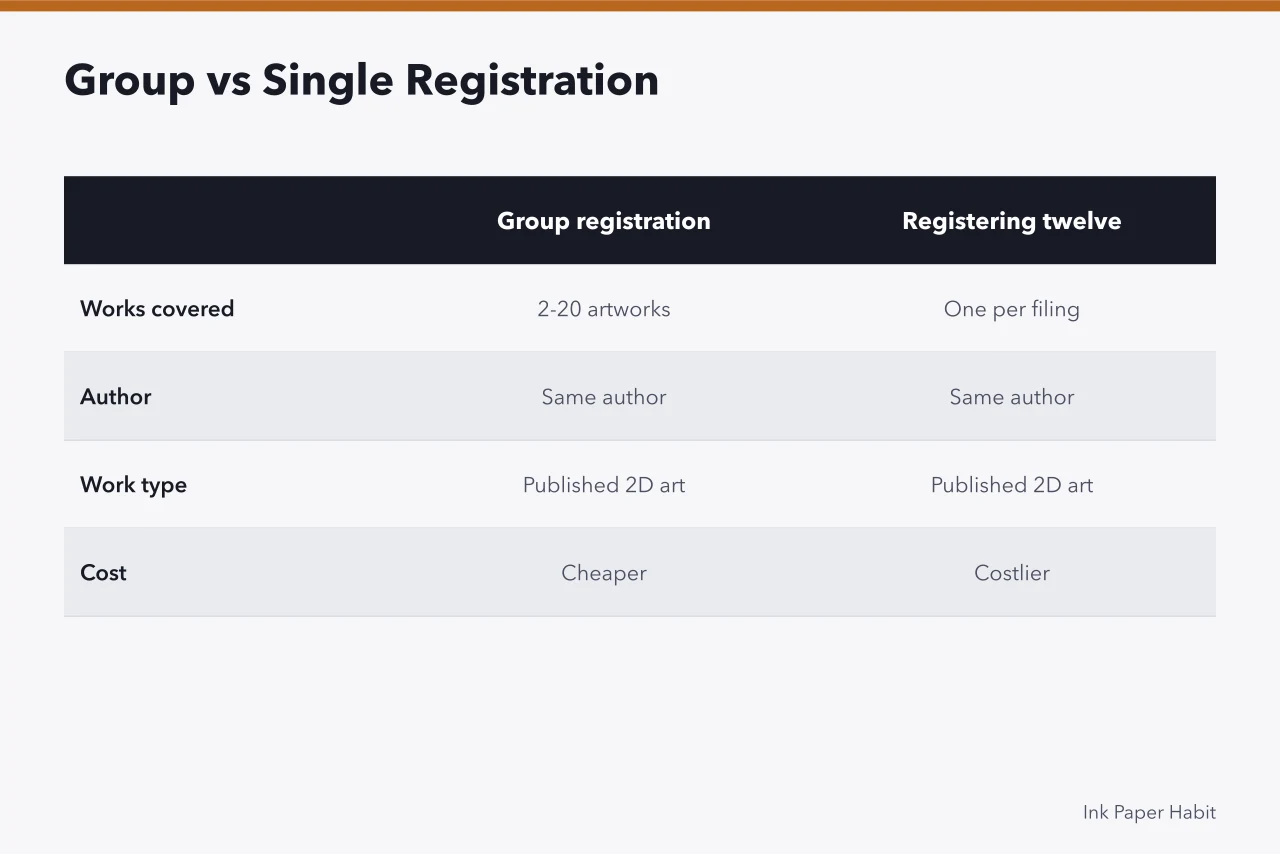
That group option matters for stationery specifically. A maker who publishes a set of twelve card designs is exactly the case it was built for, and registering as a group is cheaper than registering twelve times. Group registration covers published artwork, but the physical formats you sell still need choices like the independent stationery ideas worth trying.
The scams aimed at small sellers
The other paperwork problem is the mail that arrives once you have a business name in public. The Federal Trade Commission maintains resources for protecting small businesses, covering avoiding scams, protecting computers and networks, and keeping customer data safe.
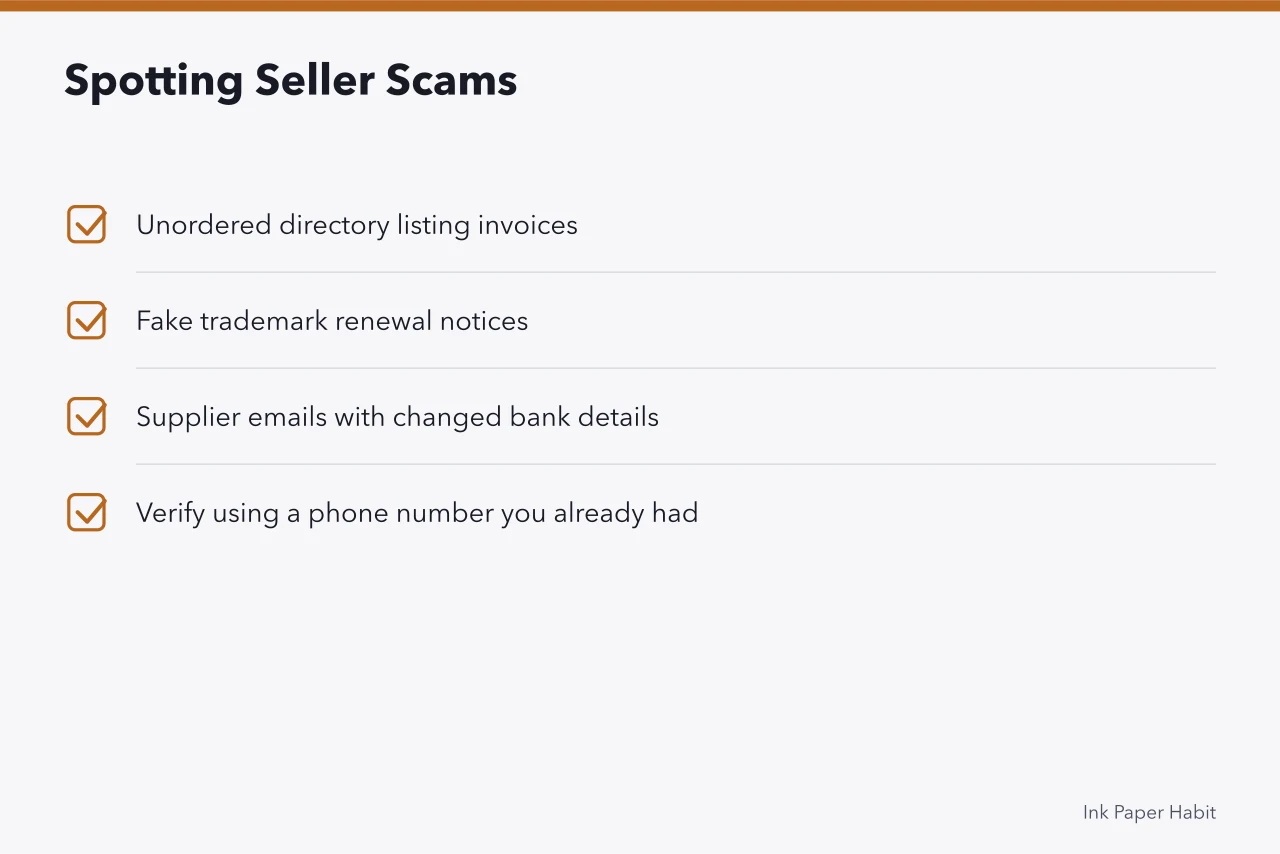
The stationery-specific versions are predictable. Invoices for directory listings you never ordered. Trademark renewal notices from bodies that are not the trademark office. Supplier emails with changed bank details. Verify with a phone number you already had, never one printed on the document in front of you.
The records to keep
| Record | Why | How long |
|---|---|---|
| Dated design files, unflattened | Proves authorship and sequence | Indefinitely |
| Retained sample of each run | Settles complaints about what shipped | Life of the product |
| Supplier invoices with lot numbers | Traces a materials fault | At least the tax period |
| Order and shipping confirmations | Resolves non-delivery claims | At least a year |
| Correspondence about changes | Prevents disputes about scope | Life of the relationship |
Keep the paperwork boring
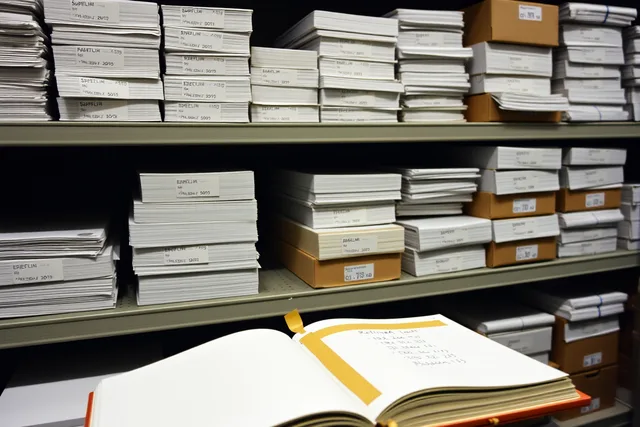
None of this needs software or a lawyer at the start. One folder per year, subfolders for designs, suppliers, orders and correspondence, and a habit of saving things the day they arrive will cover almost every dispute a small maker meets. The trouble comes from gaps, not from imperfect filing.
What people actually get wrong
The common failures are dull. Designs saved only as flattened exports, so there is no working file. No retained sample, so a complaint cannot be checked. Supplier invoices with no lot number, so a bad batch cannot be traced. Verbal agreements about a custom order, so scope creeps and nobody can point at what was agreed.
None of that requires a system. It requires one folder per year and the habit of filing things the day they happen. The buyer's view of these same practices is in judging a brand, and the material knowledge underneath them is in what the trade knows.
Common questions
Do I have to register a design to own the copyright? Copyright arises on creation in the United States, but registration is what unlocks certain remedies and is generally required before bringing an infringement suit.
Is a business name the same as a trademark? No. Registering a business name with a state and registering a trademark are separate processes with different effects.
How do I check whether an invoice is genuine? Call the supplier on the number you already had. Never use contact details printed on the suspicious document.
Should I keep customer data? Keep the minimum you need to fulfill and support orders, and secure what you do keep. Data you never collected cannot be stolen from you, and a short retention rule is easier to follow than a security policy.