Guides
Free lessons on paper and ink: a beginner project
Recorded museum lectures, an open university study and public databases give you free paper and ink lessons — plus a beginner project you can run at home.
Bru-nO / Pixabay
Ink Paper Habit
Guides
Recorded museum lectures, an open university study and public databases give you free paper and ink lessons — plus a beginner project you can run at home.
Bru-nO / PixabayA method page, not a set of reviewed products: how to date a record, state conditions and limits, run a drying test, and keep observations a review cannot check.
A working list of museums, university centers and library collections where collectors can handle paper and book arts material in person, plus travel tips.
Setting up a record of your own collection that lasts: the practical setup for documenting a paper and pen collection, what to photograph, what to record.
No invented case studies here. What published surveys of real archives found, why condition varies inside one collection, and how to apply it at home.
Pen storage products cost money, but lining, retention, repairability, and DIY options matter more than appearance; check lead times before buying.
Pen storage by type, in the order you need it: what a tray, a sleeve, a drawer and a case each solve, the linings to want, and six checks for build quality.
Pen storage products makers: what a maker decides before cutting, material, closure, how the pen is held, and why the cheapest construction choices are the ones.
Where pen storage should sit, and what it should sit on: location beats container. Which rooms and surfaces suit stored pens and paper, why depots are monitored.
A worked illustration shows how assumed duty, a carrier fee and other charges can change the landed cost of a fountain pen ink import for a US buyer.
Importing fountain pen ink to the US with pens and notebooks in the parcel: how to word the customs invoice, match HTS lines and state the country of origin.
The storage habits that damage pens: over-drying with desiccant, crumbling foam, tight elastic, and the drawer that seemed like the safe option.
Pen storage has four jobs, and materials that emit or migrate are the common failure. Check materials, lining and fit before you trust a pen to a case.
For independent stationery makers: how to write a materials spec you can reorder from, why the glue matters most, and a one-month test with pass-fail checks.
Independent stationery ideas worth trying yourself: six formats small makers use that anyone can try at home, from mail art exchanges to short editions.
Choosing fountain pen ink and paper for Alberta's dry climate: wetter dye inks, paper that resists curl, and where to sample both in Calgary and Edmonton.
Atlantic Canada fountain pen paper in damp climate: how Halifax and St. John's humidity causes cockling and smudging, plus fast inks and shops.
Canadian stationery consumer protection varies by province: sales tax, returns law, chargebacks and Canada Post delivery all change with your address.
Fountain pen ink drying in Canadian winter comes from heated indoor air, so learn humidity checks, rehydration, storage and paper flattening.
Independent stationery brands storage notes and buying verdicts: seven makers, what each makes, who it suits, and what its notebooks, pens and paper cost.
Importing a fountain pen into Canada means CBSA assessment, the $20 mail exemption, GST or HST by province, duty on pens and ink, and carrier brokerage fees.
Ink and paper storage in Manitoba and Saskatchewan: what to look for in a box seal, how much silica to use and when to swap it through prairie humidity swings.
Quebec French stationery brands sit inside OQLF labelling rules, standard paper sizes and a distinct tax picture for buyers and for sellers in the province.
Shipping fountain pens within Canada depends on Canada Post rates, liquid packaging rules, tracking choices and regional delivery times that vary by province.
Toronto fountain pen and stationery shops plus the Toronto Pen Club anchor a local setup: named stores, meeting formats, left-handed ink picks and a winter kit.
Vancouver rain and Pacific Northwest humidity extend fountain pen ink drying time, so match quick-setting ink to the right paper and store both sealed.
Use these questions to assess independent stationery brands companies: who makes a product, where it is made, what it uses, and what the maker documents.
Five fountain pen mistakes that cause most faults: wrong paper, too much pressure, skipped flushing, bad storage, and guessing before testing.
Canadian fountain pen retailers online differ by province in shipping, pickup and tax, so compare landed costs in CAD before you order from a Canadian store.
The best fast-drying fountain pen ink for left-handed writers in the US, with US prices, what to skip, and how to tell when a finer nib pays off.
Fountain pen ink drying time on cheap notebook paper runs 8 to 45 seconds. Here is how to measure your own paper and stop smearing the page.
A breakdown of what a fountain pen ink order into Canada costs, including GST or HST, carrier handling fees, and per bottle examples for small and bulk orders.
A fountain pen nib size comparison for US buyers: Japanese fine and medium nibs run about one step narrower than Western grades, and here is how to choose.
Shipping fountain pens with USPS comes down to a dry fill, a rigid box, and enough cushioning. Coverage tops out at $100, so declare the full value.
Fountain pen friendly notebooks at Target: we tested store-brand journals, up&up and Moleskine, to see which ones hold ink without bleed-through or feathering.
A reviewed short list of the fountain pen maintenance tools worth owning in 2027, and why the two most popular buys are the likeliest to ruin a nib.
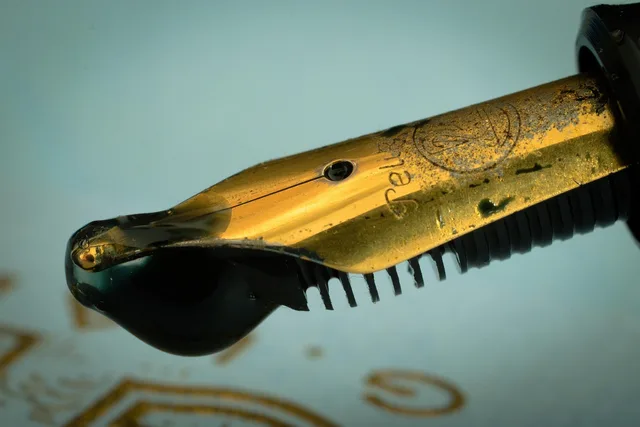
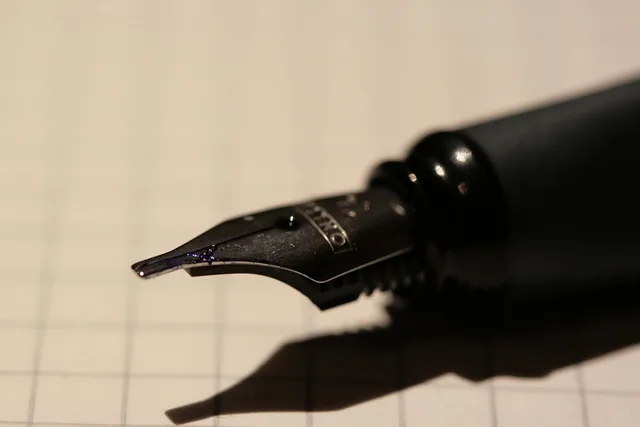
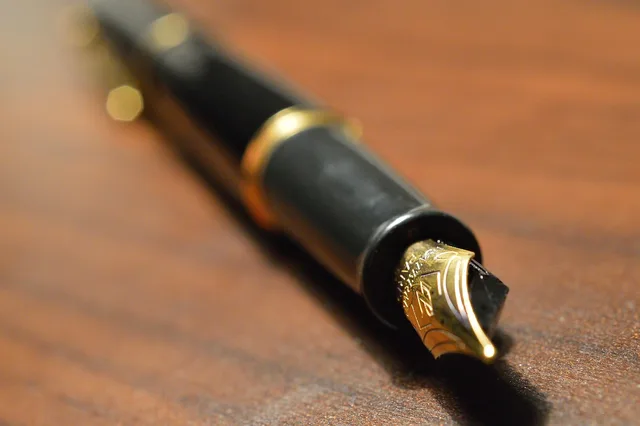
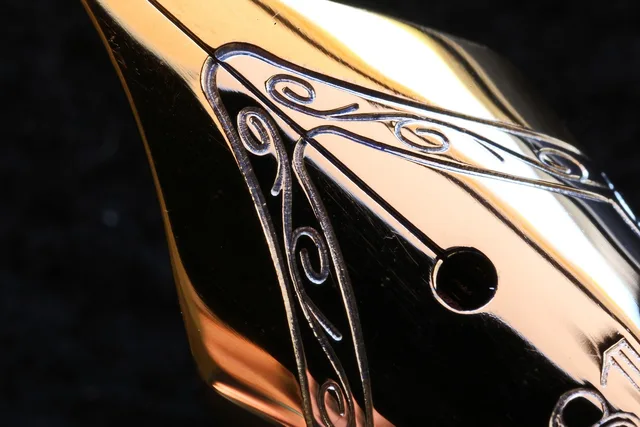
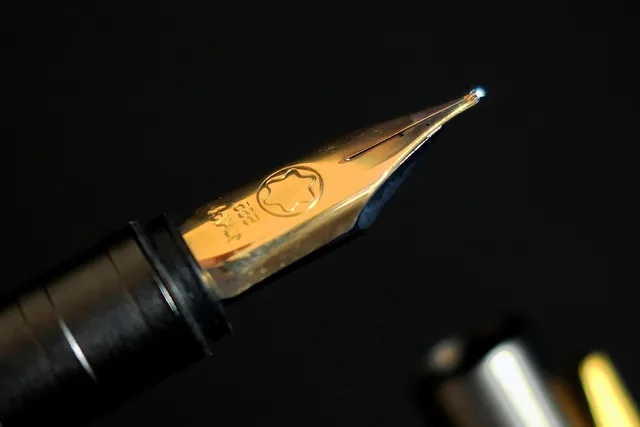
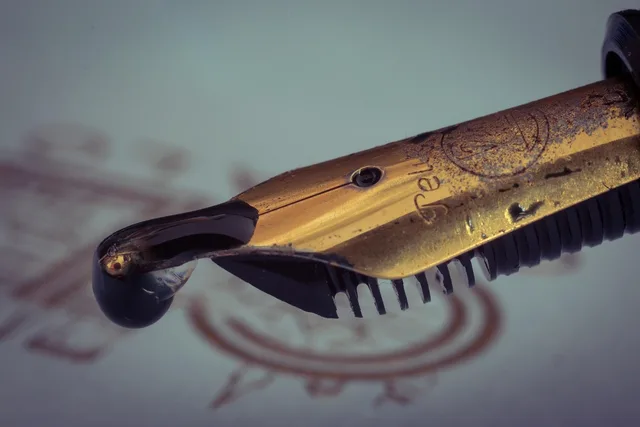
What a useful nib photograph looks like, the three shots that answer most questions, and the capture notes that turn a picture into evidence.
The fountain pen mistakes companies and guilds can help with: pen shows with nib specialists on site, maker service centers, and how to describe a fault.
Desk setup that prevents the usual pen problems: most pen faults come down to where things sit. How to arrange a small desk so that capping, storage.
The eight faults that account for nearly every fountain pen complaint, what causes each one, and the fixes to try, in the order you should try them.
Cheap and costly ink testing supplies compared side by side, covering named papers, light boxes, cards and viewers and what each tier actually buys you.
A short list of testing equipment that earns its place, what a flatbed scanner adds, and the line beyond which home testing stops being possible.
How ink makers and conservators test ink: what a formulator and a conservator each want to know about an ink, the iron gall case that shows why.
What an ink testing bench needs: a washable surface, fixed 5000 K light and camera, a spill tray, handling rules and improvised gear options.
Seven mistakes that ruin home ink tests, why each one breaks the result, and the small habit that turns a nice looking page into usable notes.
The order a real ink test runs in, from stating one question to recording a result, and the difference between what you can measure and what you can only observe.
Notebook and ink pairings ideas that work for any brand: why sizing decides how an ink behaves, which sheet suits your pen, and a four-mark test to run first.
Five cheap tools that turn paper opinions into measurements, plus the structured recording habit that makes a year of small tests actually worth something.
The short list of tools worth owning before the paper, what each one is for, and the vocabulary you need so a paper description means something in a shop.
A practical guide to setting up a writing desk: what to spend on, what to improvise, what to skip, how to check your position, and an hour of free setup steps.
Build a fountain pens setup on one shelf with a Pilot Metropolitan, Iroshizuku ink, a Rhodia notebook, covered bottle storage and a rinse station.
A weekend audit of what writing by hand costs, with real prices, a cost-per-page method and the ink bottle outlay most people forget to count.
Fountain pens learning plan: two days of short, structured drills for pressure, angle and letter shape, with the checks that tell you whether the practice is doing.
Fountain pen costs, budgets and the expenses nobody mentions: the full cost of writing by hand, including duty on imported pens, shipping, sales tax.
Four fountain pen costs decide what a beginner actually pays, namely the pen, the ink, the paper, and the repair bills that follow cheap paper.
Three real starter fountain pen setups costed over five years, so you can see where the money goes and which one actually runs cheapest to write with daily.
How to judge a lettering, calligraphy or book arts class before you enroll: the places that teach, what a good first class covers, and what to ask.
What to compare in a first fountain pen, and how to test it: no brand ranking here. The five things that actually differ between beginner pens.
Independent papermakers match paper and ink before anything else. Their working habits, and which of those transfer to a home desk setup, reward attention.
The six properties that decide whether a paper suits your pen, the shop test that reads them in a minute, and why most paper you try should be rejected.
Fiber, sizing and alkaline reserve decide how paper writes and how long it lasts. What each ingredient does, and what to look for on the package.
A practical guide to stationery collections materials: paper acidity, buffering, sizing, ink permanence, and a repeatable way to compare sheets.
How to log fountain pen purchases: date every price you paid, keep gifts and loaners out of your total, photograph honestly and disclose free items clearly.
Lighting, backgrounds and color control for photographing pens and writing samples, plus the reference targets that make one shot comparable to the next.
A cost-per-page model for notebooks and ink, the arithmetic that turns a shelf price into a real number, and why published averages will not tell you yours.
Curl, acidity and light are what ruin stored paper. What each one does, which damage is reversible, and a storage routine that prevents all three.
Stationery collections storage: what actually damages paper and ink, which boxes and sleeves are worth it, and a routine you can finish in one afternoon.
Notebook and ink mistakes beginners make at home: the eight errors that account for most bad first experiences with fountain pen ink and paper, why each happens.
Set a purpose for your paper and pen collection, inventory what you own, buy paper, ink and envelopes in order, and review the drawers twice a year.
Seven short experiments on paper itself: grain, sizing, opacity, weight, watermarks, fiber and aging, each with the result you should expect.
Six small projects that each teach a single skill, from making a paper reference book to pulling a sheet by hand, with what each one is actually for.
Where paper quality is decided, how to read formation and the wrapper in a shop, the grain test, and the ink tests to run on one pad before you buy more.
How a fountain pen moves ink, what dye and pigment inks do differently, why paper changes the line, and the two habits that prevent most first-pen trouble.
Notebook and ink pairings buying starts with a Rhodia Webnotebook A5, Waterman Serenity Blue, and a Rhodia No. 16 pad for a repeatable control.
No interviews here. What published conservation research establishes about paper strength, sizing and aging, and which parts of it should change how you buy paper.
Industry
No invented case studies here. What published surveys of real archives found, why condition varies inside one collection, and how to apply it at home.
Reviews
Pen storage has four jobs, and materials that emit or migrate are the common failure. Check materials, lining and fit before you trust a pen to a case.
Guides
Choosing fountain pen ink and paper for Alberta's dry climate: wetter dye inks, paper that resists curl, and where to sample both in Calgary and Edmonton.
Guides
Atlantic Canada fountain pen paper in damp climate: how Halifax and St. John's humidity causes cockling and smudging, plus fast inks and shops.
Industry
Canadian stationery consumer protection varies by province: sales tax, returns law, chargebacks and Canada Post delivery all change with your address.
Maintenance
Fountain pen ink drying in Canadian winter comes from heated indoor air, so learn humidity checks, rehydration, storage and paper flattening.
Guides
Recorded museum lectures, an open university study and public databases give you free paper and ink lessons — plus a beginner project you can run at home.
Reviews
A method page, not a set of reviewed products: how to date a record, state conditions and limits, run a drying test, and keep observations a review cannot check.
Industry
A working list of museums, university centers and library collections where collectors can handle paper and book arts material in person, plus travel tips.
Guides
Setting up a record of your own collection that lasts: the practical setup for documenting a paper and pen collection, what to photograph, what to record.