Reviews
Part of Where do the hidden costs in a fountain pen budget come from?
Starter fountain pen setups, compared by cost per year, not price
Three real starter fountain pen setups costed over five years, so you can see where the money goes and which one actually runs cheapest to write with daily.
What to take away
Starter fountain pen setups are a pen, a converter, ink and paper. Cost per year is the number that decides which one runs cheapest.
- Cost per year is purchase price plus ink plus paper plus repairs, divided by years owned.
- Bottled ink through a converter costs a fraction of cartridge ink per milliliter.
- A swappable or adjustable nib keeps a cheap pen in service; a sealed feed unit does not.
- One consolidated order beats five small orders once shipping counts.
- The cheapest setup is the one you keep using.
Three setups, costed
The three setups below use real pens, converters, ink and paper. Prices are typical North American retail as of 2026 and move with exchange rates and sales. Substitute your own figures; the method transfers.
Five-Year Cost by Setup
Platinum Preppy
- Pen
- $6
- Converter
- $6
- Ink, 5 years
- $25
- Paper, 5 years
- $60
- Five-year total
- $97
- Cost per year
- $19.40
Lamy Safari
- Pen
- $30
- Converter
- $8
- Ink, 5 years
- $25
- Paper, 5 years
- $60
- Five-year total
- $123
- Cost per year
- $24.60
Pilot Metropolitan
- Pen
- $20
- Converter
- $8
- Ink, 5 years
- $25
- Paper, 5 years
- $60
- Five-year total
- $113
- Cost per year
- $22.60
Platinum Preppy setup
- Pen
- Platinum Preppy, $6
- Converter
- Platinum converter, $6
- Ink, 5 years
- Waterman Serenity Blue, $25
- Paper, 5 years
- Rhodia No. 16 pads, $60
- Repairs
- $0
- Five-year total
- $97
- Cost per year
- $19.40
Lamy Safari setup
- Pen
- Lamy Safari, $30
- Converter
- Lamy Z28, $8
- Ink, 5 years
- Waterman Serenity Blue, $25
- Paper, 5 years
- Rhodia No. 16 pads, $60
- Repairs
- $0
- Five-year total
- $123
- Cost per year
- $24.60
Pilot Metropolitan setup
- Pen
- Pilot Metropolitan, $20
- Converter
- Pilot CON-40, $8
- Ink, 5 years
- Waterman Serenity Blue, $25
- Paper, 5 years
- Rhodia No. 16 pads, $60
- Repairs
- $0
- Five-year total
- $113
- Cost per year
- $22.60
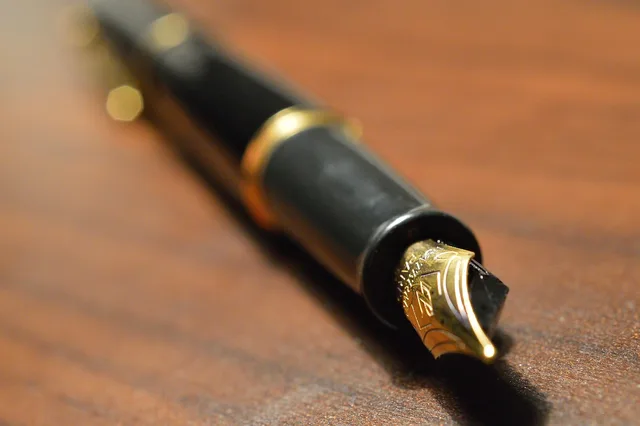
The Preppy setup wins on paper and loses on feel. Its nib is not user-swappable, so a bent tine ends the pen. The Safari and Metropolitan setups both take replacement nibs. That is why their repair line stays at zero.
What each setup is
The Preppy setup starts with a snap-cap pen and a sealed inner cap. That seal resists drying out, which matters if you write in bursts. It takes Platinum cartridges or a Platinum converter. The fine nib runs narrow even by Japanese standards.
The Safari setup uses the German school pen with a triangular grip. Its steel nibs are sold separately and swap without a new pen. It suits a heavy daily writer who wants to change nib width. The Lamy Z28 converter fits the Safari.
The Metropolitan setup uses a brass-barrelled Japanese pen. Its fine nib is smooth, and most retail packaging includes a Pilot CON-40 converter. It is the heaviest of the three. It is often recommended as a first real pen. The Pilot Metropolitan takes Pilot cartridges or the CON-40.
Cartridges against bottles
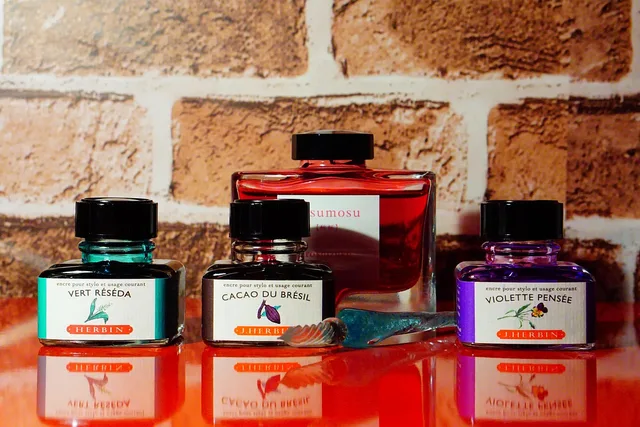
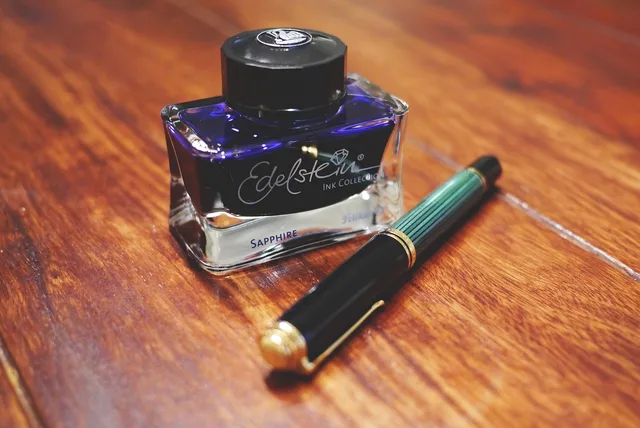
A standard international cartridge holds roughly 0.7 to 0.8 ml. A 30 ml bottle of Waterman Serenity Blue costs about $12. The same volume runs near $0.40 per ml bottled against $0.60 to $1.00 per ml in cartridges.
Write a page a day and you use perhaps 0.3 ml a week. That is 15 ml a year, or one bottle. The converter pays for itself in the first year and keeps paying after.
Cartridges still earn their place in a bag, where a spill is worse than the premium. Decide that once rather than drifting.
Ordering costs time as well as money
Waiting is part of the price. The Federal Trade Commission's guide to the mail, internet or telephone order merchandise rule sets out a seller's shipping obligations when it accepts an order.
It also covers what must happen when goods cannot ship in the promised time. Knowing the rule turns a vague annoyance into a question you can ask a seller.
What a warranty is actually worth
Before paying more for a warranted product, read what the warranty covers. Consumer guidance on warranties says a good warranty can be a reason to choose one product over another.
For pens, ask two questions. Does it cover the nib, which is the part that goes wrong? Is there a service path that does not involve international shipping? Postage both ways can exceed the value of the repair.
Lamy and Pilot both publish warranty terms on their own sites. Read the current version rather than a forum summary.
Where the money leaks
- Buying a second pen before the first one reveals what it does badly.
- Ink samplers bought before a control paper exists.
- Shipping charges on small, frequent orders instead of one consolidated order.
- Storage bought for a collection that has not settled.
- Replacing a pen that needed a five-minute flush.
The properties worth comparing between pens, as opposed to costs, are set out in what to compare in a first pen. The wider budget these decisions sit inside is in costs and hidden expenses.
Common questions
Is a cheap pen a false economy?
Not usually. The Preppy writes well and costs a fifth as much to buy as the Safari. Its cost per year is $19.40 against $24.60. The false economy is buying four of them instead of learning what you want from one.
How much should a first setup cost?
Under $50 for a pen, converter, bottle and pad. That equips you for a year of daily writing, and the ink outlasts most of it.
Does a steel nib wear out?
Not within a normal lifetime of writing. Tipping material is hard, and the failure modes are damage from a drop rather than wear.
Is gold worth paying for?
It changes how the nib feels, not how well it writes. Judge it in your hand if you get the chance, and do not buy it on description.