Industry
Part of Where do the hidden costs in a fountain pen budget come from?
4 points on fountain pen costs that matter
Four fountain pen costs decide what a beginner actually pays, namely the pen, the ink, the paper, and the repair bills that follow cheap paper.
4 points on fountain pen costs decide what a beginner actually pays: the pen, the ink, the paper, and the repair bills that follow cheap paper. Only the first of those is the pen.
Ink and paper decide whether the pen gets used or sits in a drawer with dried ink in the feed.
What to take away
- The pen is the smallest recurring cost. Most beginners spend $15 to $35 once, and ink and paper outrun that inside a year.
- Nib size drives ink use. A broad nib drinks what a fine nib sips.
- Cheap paper costs more than good paper, because it wastes ink and clogs feeds.
- Buy one pen, one ink, one paper before you buy a fifth of anything.
Point one: the pen itself
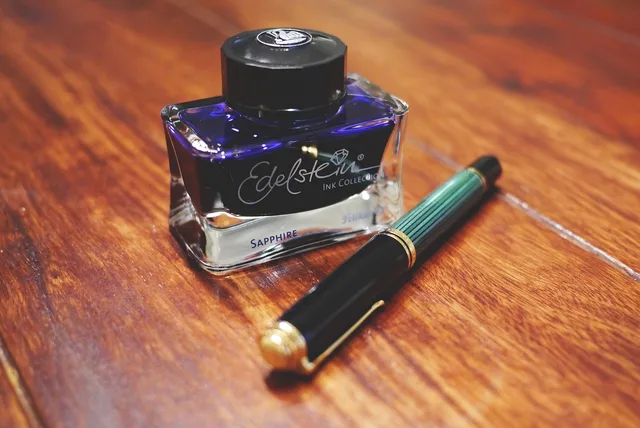
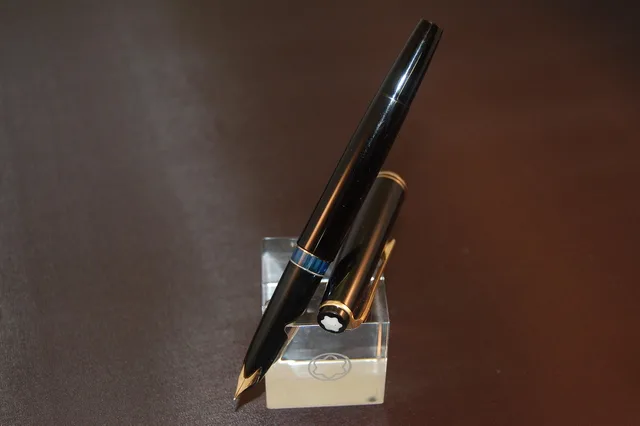
What changes the price is the filling system. A cartridge pen takes proprietary cartridges, such as Pilot cartridges or Lamy T10. A converter pen takes bottled ink, which costs less per milliliter and comes in hundreds of colors. The converter is a separate part, typically $6 to $10, and Pilot's CON-40 and Lamy's Z28 are the common ones.
The hidden cost is the second pen. Beginners buy a fine and a medium to compare, then discover they prefer the fine. Buy one, write a full converter through it, then decide.
Point two: ink, measured per page
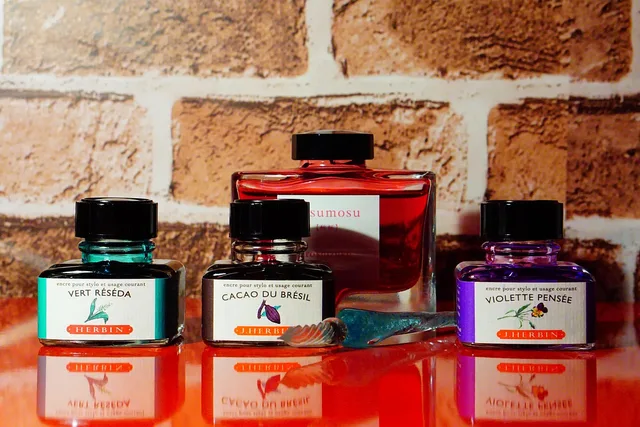
Bottled ink is sold by volume, and bottle prices vary more than pen prices. Typical US prices as of 2026: Diamine 30 ml around $9, Waterman 50 ml around $12, Noodler's 3 oz (about 90 ml) around $14, Pilot Iroshizuku 50 ml around $22.
Ink cost per page
- 0.7 mlconverter fill
- 70fills per 50 ml bottle
- $9Diamine 30 ml
- $22Iroshizuku 50 ml
Cartridges cost more per milliliter. A 12-pack of Pilot cartridges runs about $6, and a 5-pack of Lamy T10 about $5.90. So cost per page is arithmetic you can do yourself:
cost per page = bottle price ÷ pages per bottle
A converter holds roughly 0.7 ml, so a 50 ml bottle gives about 70 fills. Count your own pages per fill, then divide. Cartridges cost more per milliliter, and the gap widens on a broad nib.
Ink also has a drying time on the page, and that time changes with the paper. On sized paper, a line dries in seconds. On absorbent copier paper, it feathers outward and the line thickens.
Point three: paper, where the money actually goes
Paper is the cost beginners underestimate. Feathering and bleed waste ink, and loose fibers shed into the feed. A clogged feed means a flush, and a flush means lost ink.
Paper behavior and cost
Copier paper
- Behavior
- Feathers, bleeds
- Price
- $10 a ream
- Per page
- Expensive
Rhodia / Clairefontaine
- Behavior
- Crisp line
- Price
- $10 to $12 a pad
- Per page
- Low ink waste
Tomoe River
- Behavior
- No bleed, slow dry
- Price
- $22 per 100 sheets
- Per page
- Best for sheen
Typical paper prices as of 2026: a 500-sheet ream of copier paper about $10, a Rhodia No. 18 pad (80 sheets, A4) about $10. A Clairefontaine A4 pad runs about $12, and Tomoe River 52 gsm loose sheets around $22 per 100. Per written page, the sized stocks cost less than copier paper, because they waste less ink.
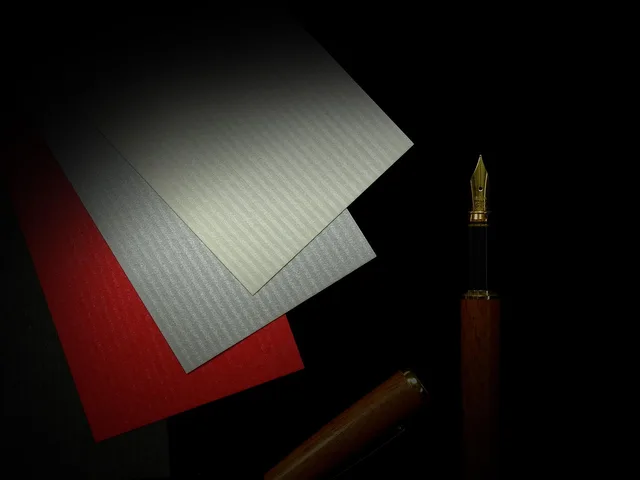
Run the one-minute paper test before committing to a ream. Write a line, wait sixty seconds, drag a dry finger across it. Smear means slow drying. A halo around the stroke means feathering. A dot on the reverse means bleed.
Point three: paper
Behavior
- Copier paper
- Feathers, bleeds, sheds fiber
- Rhodia and Clairefontaine
- Sized, holds a crisp line
- Tomoe River
- Thin, slow drying, no bleed
Cost pattern
- Copier paper
- About $10 a ream, expensive per page
- Rhodia and Clairefontaine
- About $10 to $12 a pad, low ink waste
- Tomoe River
- Around $22 per 100 sheets, best for sheen
Point four: repairs, storage and the climate bill
A pen left inked through a Winnipeg winter or a Halifax summer will need work. Dry indoor air thickens ink in the feed. Humidity swings swell and shrink eucalyptus and pine barrels. Store pens nib-up, flush before storage, and keep them out of a hot car.
Replacement nibs, converters and feeds are the fourth cost line. A Lamy replacement steel nib typically runs $14 to $16, a TWSBI nib unit around $25, and a converter $6 to $10. Professional nib work from a nibmeister typically runs $30 to $50 plus shipping.
That total explains why a bent nib on a cheap pen is often a write-off. On a pen with a replaceable nib unit, it is a part.
Where lessons fit into this budget is set out in costs and hidden expenses. If you would rather learn in a room with someone else's tools, start with classes and studios worth finding.
A worked example of the year
Take one pen, one 50 ml bottle of ink, and one pad of sized paper. Write 500 pages over the year. Here is the arithmetic with typical mid-band figures: pen $18, ink $12, paper $10.
One year, 500 pages
- $18pen
- $9ink used
- $62paper
- $97total
- Divide the pen price by 500. That is the pen's cost per page, about 4 cents here.
- Divide the bottle price by the pages one bottle covers. Add it. A 50 ml bottle covers roughly 700 pages at 10 pages a fill, so 500 pages uses about $9 of ink.
- Divide the paper cost by the sheets it gives you. Add it. A $10 pad of 80 sheets is about 13 cents a sheet, so 500 pages runs about $62.
- Add any nib, converter or flush cost you actually incurred. A converter adds $6 to $10.
- Compare the total against a year of cartridges on copier paper, which cost more per milliliter and pull more ink out of the pen.
Most beginners find the pen is under a fifth of the total, and paper is the largest single line. In this example the pen is $18 of about $97, and the paper is $62.
Named places to learn
The Robert C. Williams Museum of Papermaking publishes its program listing by category, separating adult workshops from demonstrations and lectures. A demonstration is not studio time, and the price difference is often small.
The University of Iowa Center for the Book sets out its funding structures: fellowships, assistantships, financial aid and work-study in the studios. Read that page before the tuition page. Studio access outside class hours turns study into practice.
Common questions
Does a more expensive pen write better?
Not reliably. Above the entry band you pay for materials, filling systems and finish. A well-tuned steel nib writes as well as a gold one for most beginners.
How often do I actually need to flush a pen?
Whenever you change ink color, and before any storage longer than a few weeks. A flush uses water, not ink, so it is the cheapest maintenance you will do.
Is bottled ink worth the mess?
Yes, if you write regularly. Cost per milliliter is lower, color choice is wider, and a converter pays for itself within a few bottles.
What kills a beginner's pen fastest?
Dried pigment ink left in an unused feed, and cheap paper shedding fiber into it. Both are preventable with a flush and a better ream.