Guides
How to plan a stationery collection: purpose, inventory, buying order and review
Set a purpose for your paper and pen collection, inventory what you own, buy paper, ink and envelopes in order, and review the drawers twice a year.
Most stationery collections are not planned. They accumulate, one interesting notebook at a time, until there are nine half-used pads and no envelopes. A plan does not have to be elaborate. It has to answer one question first, which is what the collection is for, and then let that answer decide everything else.
What to take away
- Decide the purpose before the purchases. Daily writing, correspondence and archival keeping need different paper.
- Inventory first. Most people already own more usable paper than they think.
- Buy consumables deep and objects shallow. One paper you like beats five you are testing.
- Some of what you already own is chemically unstable and cannot be saved. Know which.
Start with what the collection is for
Three purposes cover almost everyone. Daily writing wants cheap, well sized paper in quantity, because you will use it up. Correspondence wants matched paper and envelopes, a color you can restock, and ink that survives a mailbag. Keeping wants stable materials, because those pages are supposed to be readable in fifty years.
Match purpose to materials
Daily writing
- Paper
- Cheap, well sized, quantity
- Ink
- Everyday, finishable
- Restock
- Buy in bulk
- Risk
- Regret: keeping-grade
Correspondence
- Paper
- Matched paper and envelopes
- Ink
- Survives a mailbag
- Restock
- Color you can restock
- Risk
- Regret: mismatched sets
Keeping
- Paper
- Stable materials
- Ink
- Archival, stable
- Restock
- Not restockable
- Risk
- Regret: daily-grade
Write your purpose in one sentence and put it where you shop. Almost every regretted purchase is a keeping-grade product bought for daily use, or the reverse.
Inventory before you buy anything
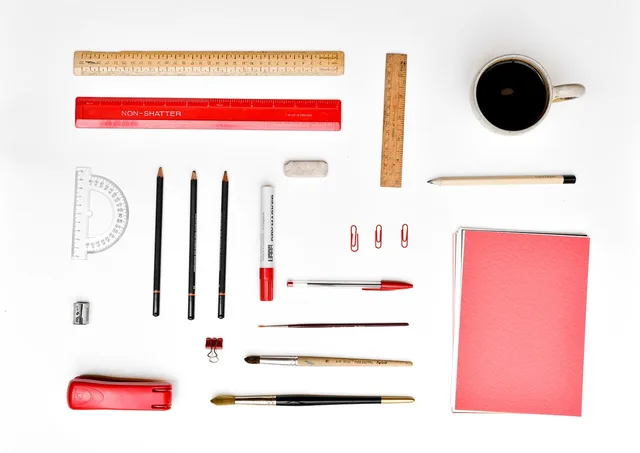
Empty every drawer onto a table. Sort into three piles: things you use, things you have not touched in a year, and things you are keeping for a reason you can state out loud. The middle pile is your answer about what not to buy again.
Sort the drawer into three piles
- Empty every drawer onto a table
- Pile 1things you use
- Pile 2untouched for a year
- Pile 3keeping for a stated reason
- Middle pile tells you what not to buy again
Not all of it is worth keeping. The Illinois guide to office printing and reprography sets out the copying and duplicating processes that fill home files, from carbon copies through electrostatic photocopies. Thermal papers and some early copy processes fade on their own schedule regardless of how you store them, which makes them candidates for scanning rather than shelving.
Buy in an order
- Paper you have already tested, in quantity, before anything else.
- One ink you will finish, not five samples.
- Envelopes matched to the paper, bought at the same time.
- Storage, last, once you know the shapes and volumes you actually have.
Buying storage first is the classic error. You end up organizing a collection you have not settled yet.
What makes paper worth keeping
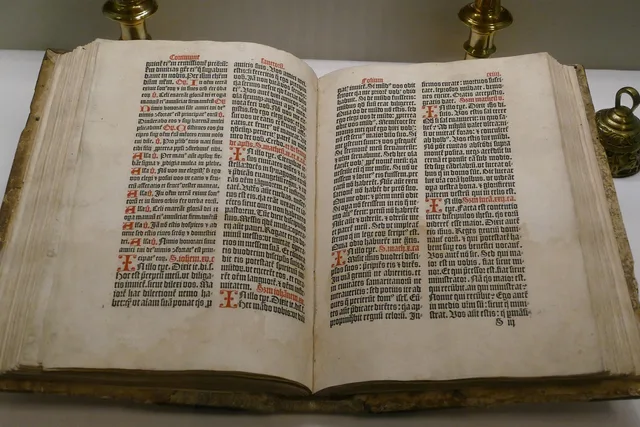
The University of Iowa studied over 1,500 historical papers and reached conclusions that reward attention. Papers made before 1500 held more gelatin and calcium than later sheets, were thicker, and were lighter in color.
The authors tie this to the stability of early European paper. Sheets graded highest for materials and workmanship, meaning good formation and freedom from knots and debris, were also the lighter ones.
The modern reading is not that you should buy antique paper. It is that formation quality, an alkaline component and honest thickness are the properties that hold up, and that they are all visible or stated on the package. That is the basis for choosing materials rather than choosing brands.
Review it twice a year
Put a date in the calendar. Open the drawers, note what ran out and what did not move. Anything untouched for two review cycles either has a stated reason to stay or leaves.
Keep the reasons written down, because the reason is the collection. Where things live is the other half, covered in how to store materials.
Common questions
How much paper is a reasonable amount to hold?
Should I buy in bulk to save money?
Is it worth keeping discontinued paper?
How do I stop buying duplicates?
In this guide
- Stationery collections storage: paper and ink in one afternoonStationery collections storage: what actually damages paper and ink, which boxes and sleeves are worth it, and a routine you can finish in one afternoon.
- Stationery projects: six ways to build one skill at a timeSix small projects that each teach a single skill, from making a paper reference book to pulling a sheet by hand, with what each one is actually for.
- How to judge a paper's quality in a shop before you buyWhere paper quality is decided, how to read formation and the wrapper in a shop, the grain test, and the ink tests to run on one pad before you buy more.
- Stationery collections: what to own before the paper arrivesThe short list of tools worth owning before the paper, what each one is for, and the vocabulary you need so a paper description means something in a shop.
- Stationery collections materials: paper and inkA practical guide to stationery collections materials: paper acidity, buffering, sizing, ink permanence, and a repeatable way to compare sheets.